Transparent
Short answer: a 100% electric passenger car imported from Germany pays €0 ISV (Portugal's vehicle import tax) and €0 IUC (the annual road tax) in Portugal. In numbers: at the same €25,000 listing price and a first registration in June 2022, an EV is on the road in Portugal for €29,200, while a 1968 cc diesel at 120 g/km CO2 comes to €32,457 and then pays €241 of IUC a year. That is €3,257 difference on the day of registration plus about €1,205 of IUC over five years at 2026 rates. These are estimates from our calculator; the final ISV is set by the Tax Authority (AT) from the car's COC.
TransparentCars is a Porto-based importer that brings used cars from Germany turnkey, and that is why we built the public ISV calculator and IUC calculator. Every figure in this article comes from the same API that runs those calculators.
What importing an EV from Germany to Portugal costs, compared with diesel, petrol and PHEV
To compare drivetrains without inventing market prices, we fixed everything except the engine: €25,000 listing price (final price, no VAT to reclaim), first registration June 2022, used car, EU origin. Transport, paperwork and service are TransparentCars' published turnkey prices.
| Drivetrain (example) | ISV | IUC per year | Transport | Paperwork | Service | Total on the road |
|---|---|---|---|---|---|---|
| 100% electric | €0 | €0 | €1,200 | €500 | €2,500 | €29,200 |
| PHEV 1498 cc, 35 g/km, 60 km electric | €308 | €148 | €1,200 | €500 | €2,500 | €29,508 |
| Petrol 1498 cc, 135 g/km | €1,315 | €148 | €1,200 | €500 | €2,500 | €30,515 |
| Non-plug-in hybrid 1798 cc, 100 g/km | €2,219 | €221 | €1,200 | €500 | €2,500 | €31,419 |
| PHEV 1984 cc, 55 g/km, 45 km electric | €2,794 | €221 | €1,200 | €500 | €2,500 | €31,994 |
| Diesel 1968 cc, 120 g/km | €3,257 | €241 | €1,200 | €500 | €2,500 | €32,457 |
Total = €25,000 car + ISV + €1,200 + €500 + €2,500. Diesel example: 25,000 + 3,257 + 4,200 = €32,457. IUC is not in the total because it is paid every year after registration.
What the table shows:
- EV: everything above the listing price is logistics and service, €4,200. No tax at registration and no annual IUC.
- Diesel: even after the 43% age reduction (4.4 years old), ISV is €3,257, part of it the diesel surcharge. At 2026 rates, €241 × 5 years = €1,205 of IUC.
- PHEV: the reduced ISV rate (25%) applies only with at least 50 km of electric range and emissions below 50 g/km. The 45 km, 55 g/km PHEV pays full ISV, €2,794, almost as much as the diesel. A regular hybrid also pays the normal rate.
For a different price, year or a specific car, paste the mobile.de link into the import cost calculator and you get the on-the-road total in Portugal with the same breakdown.
Why an EV is the strongest case for importing
On a combustion car, the import tax grows with engine size and CO2, and it is often the line that wipes out the price gap between Germany and Portugal. On an EV that line is zero: the cost of importing comes down to transport, paperwork and service, a fixed amount that does not depend on the engine. That makes the EV the category where the maths is simplest and most predictable.
Being exempt from ISV does not mean skipping the process. An imported EV goes through the same registration steps: the vehicle customs declaration (DAV) with the AT, homologation from the COC, an inspection and Portuguese plates. The tax line is simply zero. The full step-by-step is in our guide on importing a car from Germany in 2026.
How to tell whether it pays off: compare with the same EV in Portugal
The tax exemption also applies to EVs already registered in Portugal, so the right comparison is not against a diesel but against the same model for sale here. The method:
- Pick the German listing and get the on-the-road total in Portugal from the calculator. A €25,000 listing gives €29,200.
- Search StandVirtual for the same model, battery version, similar year and mileage.
- If the Portuguese car costs less than €29,200, buying locally wins: no wait, and a seller within reach if something goes wrong. If it costs more, importing starts to make sense.
For some models the Portuguese supply is thin and prices reflect that; for others the local market is in line with Germany and importing does not pay. There is no rule by brand, only the per-car sum. The wider question is covered in is it worth importing a car in 2026 and in our breakdown of what importing a car to Portugal costs.
VAT: "MwSt. ausweisbar" listing or final price
On an EV, VAT moves the total more than any tax. German listings come in two kinds:
| Listing type | How the calculator treats it | Example: €25,000 listing |
|---|---|---|
| Private seller or margin scheme ("MwSt. nicht ausweisbar") | Listed price is final | Car cost €25,000, total €29,200 |
| Dealer with deductible VAT ("MwSt. ausweisbar", 19%) | Net price × 1.23 (Portuguese IVA) | 25,000 / 1.19 = €21,008 net; × 1.23 = €25,840; total €30,040 |
Watch out with nearly new EVs: for VAT purposes a car under 6 months old or with up to 6,000 km is a new means of transport, and VAT is due in Portugal. The final VAT treatment is always confirmed in the quote.
What to check on a used German EV before you pay
Battery State of Health (SoH)
The traction battery is the most expensive part of the car. Ask for a recent battery State of Health certificate from a brand dealer or an independent battery test. A listing that only says "battery in good condition" is not data.
Battery warranty
Many manufacturers give 8 years or 160,000 km on the traction battery, with a minimum capacity threshold. Do not assume it: check the specific car's warranty book for the start date, the mileage, and whether the warranty carries over to a new owner in another EU country.
Charging
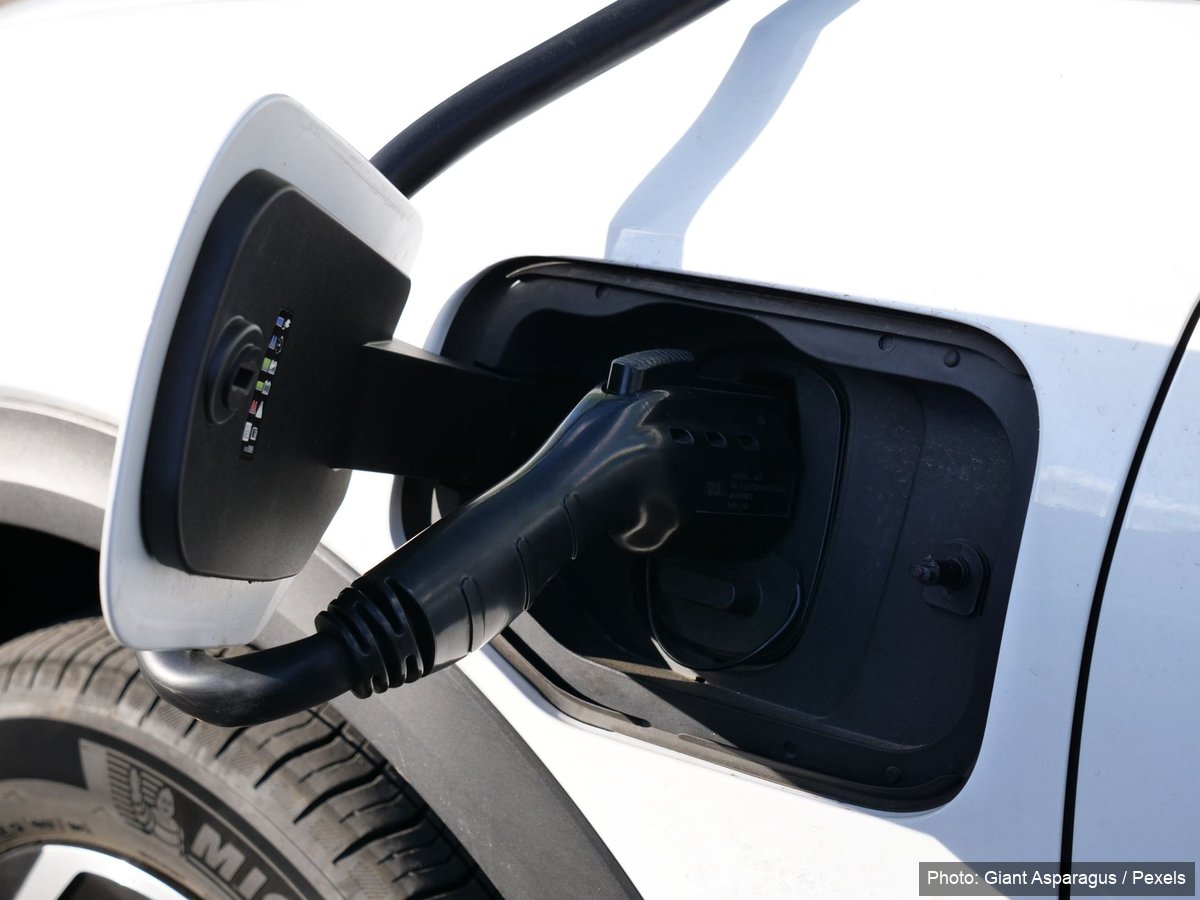
European cars use Type 2 for AC and CCS for DC fast charging, the same as in Portugal. Check whether the Type 2 charging cable comes with the car and what the AC and DC charging power of that version is.
Heat pump and equipment
On several models the heat pump is an option. It affects consumption in winter and on the motorway. Check the standard equipment of the exact version, not the photos.
Software and connected services
Over-the-air updates, navigation and the car's app are tied to a manufacturer account. Ask the seller to remove the car from their account and check that the services work in Portugal.
Tesla from Germany: Model 3 and Model Y
A used Tesla has two specific points. First, the transfer in the Tesla account: the seller must remove the car from their account so the new owner can add it. Second, paid features such as Enhanced Autopilot or FSD: some stay with the car, others may be tied to the account. Check with the seller and with Tesla, before paying, what stays with the car. The rest of the checklist applies to a Volvo EX30, Audi e-tron, Kia EV3 or XPeng; with newer brands, also check there is brand service near you in Portugal.
How TransparentCars handles the import
With the TransparentCars extension for mobile.de you see the estimated ISV right on the listing. Once you find the car, our turnkey import service handles the checks, transport, DAV, inspection and plates at the prices shown in the table. If the model is cheaper in Portugal, we tell you so.
Read also: how ISV is calculated in 2026 and automatic and electric used cars in Portugal.
Frequently asked questions
Does an electric car imported from Germany pay ISV in Portugal?
No. A 100% electric passenger car is exempt from ISV in Portugal, new or used. Our calculator returns €0 ISV for a 2022 EV listed at €25,000; final confirmation comes from the AT based on the COC.
How much IUC does an electric car pay in Portugal?
€0. 100% electric cars are exempt from IUC. A 2022 diesel with 1968 cc and 120 g/km pays about €241 a year at 2026 rates, according to the IUC calculator.
Is a plug-in hybrid exempt too?
No. A PHEV only gets reduced ISV with at least 50 km of electric range and under 50 g/km CO2; in our example, €308 instead of €2,794. It pays IUC as normal. A non-plug-in hybrid pays ISV at the normal rate.
What is the total cost of importing a €25,000 EV?
With a final price of €25,000, the on-the-road total in Portugal is about €29,200: the car, €1,200 transport, €500 paperwork and €2,500 service. If the listing is from a dealer with deductible VAT, the total rises to about €30,040.
Which documents do I need to register an imported EV?
The COC, the German registration documents (Zulassungsbescheinigung Part I and II) and the purchase invoice. With them the DAV is filed with the AT, the car is inspected and gets Portuguese plates, even with no ISV to pay.